







Search Results for: Growing Environment

The Terroir Code of Coffee: How Growing Environment Beyond Genetics Shapes the Flavor in Your Cup
We often hear baristas mention the term "terroir"—what exactly does it mean? The flavor of a cup of coffee is about seventy percent determined by varietal genetics, while the remaining thirty percent comes from the natural conditions of the growing region—latitude, altitude, soil, sunlight, and humidity all working together to give coffee from different origins strikingly different flavor profiles. This article will examine these five dimensions to explain how the environment affects coffee's balance of acidity and sweetness and its rich mouthfeel, and help you understand why high-altitude beans have fuller flavor and why volcanic soil can impart a distinctive acidic aroma to coffee. [more…]
Exploring Costa Rica's Santa María de Tarrazú Region: Coffee Growing Environment and Flavor Characteristics of the Dota Cooperative
Costa Rica, as the first country in Central America to cultivate coffee, boasts a comprehensive industry system and a world-class quality reputation. This article focuses on Front Street Coffee's Costa Rican specialty coffee beans—the Dota Cooperative in the Santa Maria de Tarrazu region—analyzing its unique growing environment and flavor profile. From volcanic ash soil, mild temperatures, to abundant rainfall, how do these natural conditions shape the bright acidity of citrus, lime, grapefruit, and plum? How are the pomelo and green tea aromas in the mid-palate, as well as the roasted nut and caramel finish in the aftertaste, formed? At the same time, we will also learn about the distribution logic of Costa Rica's seven major coffee regions, and the cultivation story of the Dota Cooperative in the Tarrazu region. [more…]
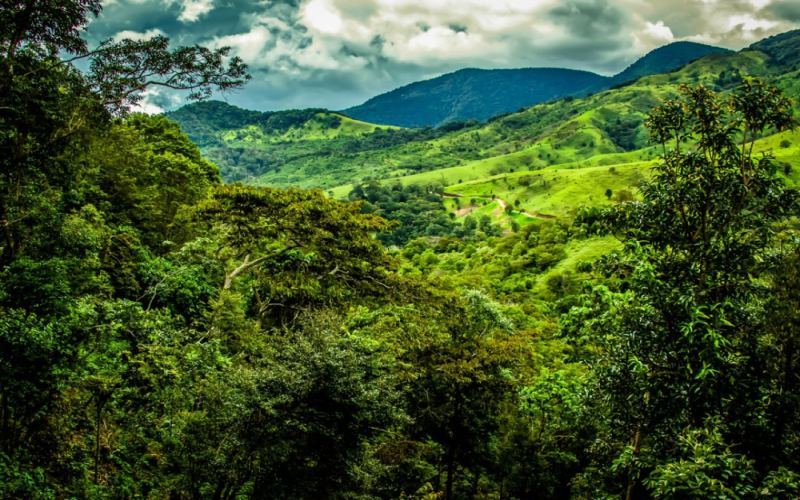
In-Depth Analysis of Panama Deborah Estate Geisha Coffee: Variety Characteristics, Growing Environment, and Flavor Profile
In the landscape of Panamanian specialty coffee, alongside the renowned Hacienda La Esmeralda, Finca Deborah also writes a unique chapter with its Geisha variety. Perched above 1,900 meters in the Volcán mountains and surrounded by rainforest and cloud cover, this estate cultivates Geisha coffee of exquisite and complex flavor through its extreme microclimate and eco-friendly energy system. This article will guide you through the variety's origins, Panama's growing environment, the estate's story, the Savage series project, and Front Street Coffee's roasting and brewing practices, offering a comprehensive look at the distinctive allure of Finca Deborah Geisha. [more…]
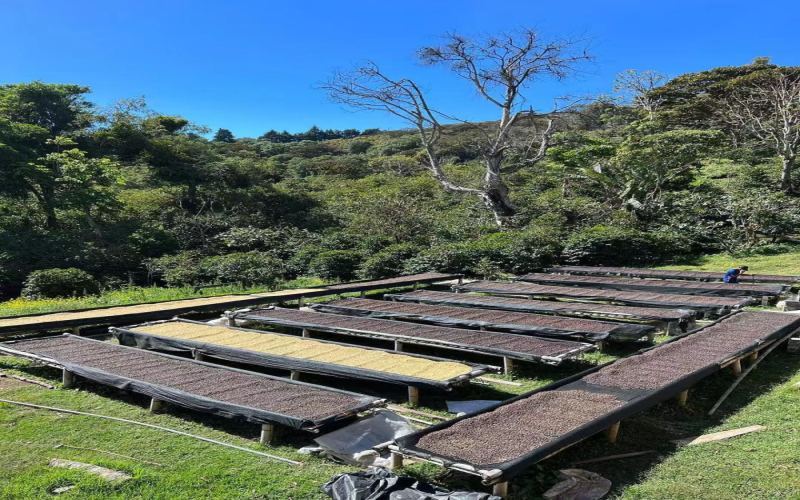
A Comprehensive Analysis of the Coffee-Growing Environment, Geisha Variety, and Flavor Processing at Elida Estate in Panama
Located in the Boquete production region of Panama, Elida Estate enjoys high-altitude growing conditions rarely found in Central America, with a history dating back to the Lamastus family in 1918. More than half of the estate lies within Volcán Barú National Park, and its coffee is grown at elevations ranging from 1,670 to 1,850 meters, making it one of the highest-elevation estates in Panama. The estate mainly cultivates three varieties: Catuai, Typica, and Geisha. The owner is extremely rigorous during harvest and processing, picking only the ripest cherries by hand and subjecting the green beans to low-temperature resting and purification for more than five months. This article will introduce, one by one, the estate's history, growing environment, shade management, the origins of the Geisha variety, and finally Front Street Coffee's brewing recommendations for Elida Estate ASD-process Geisha. [more…]
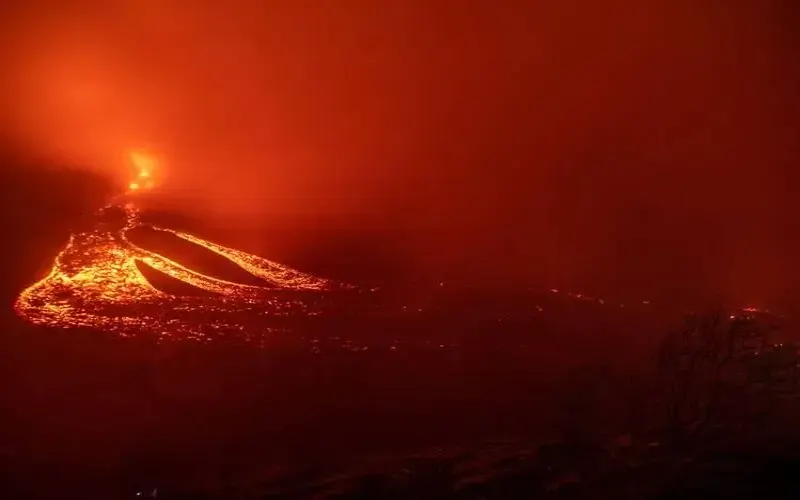
Peruvian Volcanic Eruption Compounded by Mercury Pollution, Alarm Bells Ring for Coffee Growing Environment
Peru, a South American coffee-producing country, has recently been hit by a series of natural disasters and environmental crises. The Sabancaya volcano in the south has entered an orange alert level, and ash from frequent eruptions is severely affecting nearby farms and pastures; meanwhile, the provinces of Huancavelica and Cusco have been declared in a state of environmental emergency due to heavy metal mercury contamination. Both regions have coffee cultivation, and mercury contamination not only inhibits crop growth and reduces agricultural product quality, but may also trigger labor shortages. The Peruvian government has already launched response measures, but concerns within the industry about coffee production and quality are rising. [more…]
Colombian Single-Origin Coffee Beans: A Complete Guide to Origin Tracing, Growing Environment, Quality Characteristics, and Grading System
Colombian coffee is one of the few single-origin coffees named after a country and sold worldwide. Thanks to its superior geography and climate, along with the careful cultivation of local growers, it has earned a reputation far beyond that of other producing regions. The roasted beans give off a sweet aroma, with acidity balanced by sweetness and a mellow bitterness, and a moderate body, often used in premium coffee blends. This article will systematically sort out the historical origins, botanical morphology, growing environment, regional quality characteristics and grade classification of Colombian coffee, and introduce related products recommended by Front Street Coffee, taking you through a comprehensive understanding of this South American coffee gem known as "green gold." [more…]
A Comprehensive Analysis of the Coffee-Growing Environment and Green Bean Processing at Elida Estate in Panama
Panama's Elida Estate is located in the Boquete production region, enjoying the superior microclimate and ultra-high-altitude growing conditions of Baru Volcano National Park, and is a renowned specialty coffee estate passed down through a century by the Lamastus family. This article will introduce the estate one by one, from its growing environment, coffee varieties, harvesting standards, post-processing procedures, to the low-temperature resting process for green beans, and will analyze the causes of Elida coffee's unique flavor. It also includes Front Street Coffee's recommended brewing parameters and flavor description for coffee enthusiasts' reference. [more…]
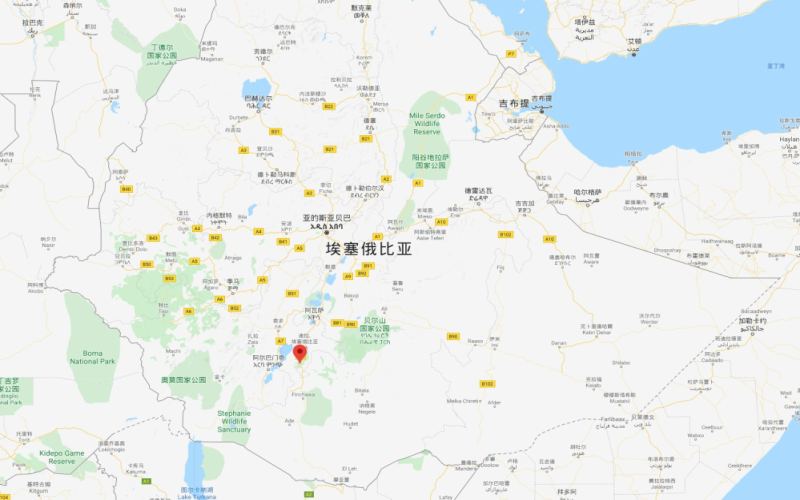
Yirgacheffe Region Terroir Analysis: A Complete Guide to Growing Environment, Washed Processing, and Pour-Over Parameters
Yirgacheffe is one of Ethiopia's most recognizable coffee regions, and its fresh, bright citrus notes and elegant floral aroma are deeply favored by coffee lovers. Starting from the origin environment of Front Street Yirgacheffe, this article sorts out how Ethiopia's unique highland terrain and climatic conditions give rise to high-quality Arabica coffee, and further analyzes in depth the decisive influence of the washed processing method on the flavor formation of this region. At the same time, the article also provides the complete pour-over parameters and three-stage pouring steps for Front Street washed Yirgacheffe, helping readers reliably reproduce at home that cup of Yirgacheffe that is clean, sweet, and lively with floral and fruity aromas. [more…]

Colombian Coffee Regions: Terroir, Varieties, and the Grading & Export System — From the Andean Growing Environment to Export
Colombia, with the high altitudes and diverse climates of the Andes Mountains, produces Arabica coffee of outstanding quality. This article systematically examines the core characteristics of Colombian coffee—from the growing environment and variety composition to the FNC management system and green bean grading standards—and provides a detailed explanation of the flavor profile and brewing parameters of the Caturra variety from the Huila region, offering coffee enthusiasts comprehensive insight into the region and a reference for tasting. [more…]
Nicaraguan Coffee Flavor and Variety Analysis: Regional Characteristics, Growing Environment, and Industry Development History
Nicaragua, as an important coffee-producing country in Central America, despite its weak economic foundation and the hardship faced by coffee farmers, produces coffee that ranks among the world's best with its moderate acidity and rich aroma. The three major producing regions of Matagalpa, Jinotega, and Segovia are particularly outstanding, with Matagalpa's coffee flavor often compared to Kenya AA. This article will introduce you to the flavor characteristics of Nicaraguan coffee, its main varieties, the climate conditions of the growing regions, and the profound impact of political changes on the coffee industry. At the same time, Front Street Coffee will also recommend Nicaraguan coffees worth trying. [more…]
The Origins of Coffee Acidity and the Quality of Acidity: A Complete Analysis from Roast Development to Growing Environment
Why is coffee sour? This question puzzles many friends who are new to specialty coffee. Actually, the answer isn't complicated: coffee beans themselves are rich in various sour-tasting compounds. Before the turn of the millennium, dark roasting was the mainstream—long roasting times broke down much of these sour compounds, and the bitter, charred flavors masked what remained, so people once believed coffee was only bitter, never sour. With the arrival of the specialty era, roast levels shifted from dark to light, and sourness was rediscovered. But stronger sourness isn't necessarily better—what we truly pursue is "acidity quality," not "acidity level." The quality of acidity is influenced by multiple factors: growing altitude, soil, processing, roasting, and brewing. This article, from Front Street's perspective, will systematically sort out the origins and logic of coffee sourness and how to judge its quality. [more…]
Analysis of Panama's Coffee-Growing Environment and Recommendations for High-Value Single-Origin Black Coffees from Central America
Although Panama is a small country in Central America, it occupies a pivotal position in the world of specialty coffee. Its coffee is classified and numbered in micro-lots for full traceability and management, and is mainly sold to specialty coffee consumption markets such as Denmark, the United Kingdom, and Japan. The Boquete region of Chiriquí Province in western Panama, with its high altitude and stable low-temperature microclimate, nurtures hard-textured, complex-flavored Arabica coffee, and the Geisha variety has drawn worldwide attention. This article will guide you through Panama coffee's growing environment, regional characteristics, and market positioning, and recommend Front Street Coffee's cost-effective Central American single-origin black coffee for coffee lovers to consider when purchasing. [more…]
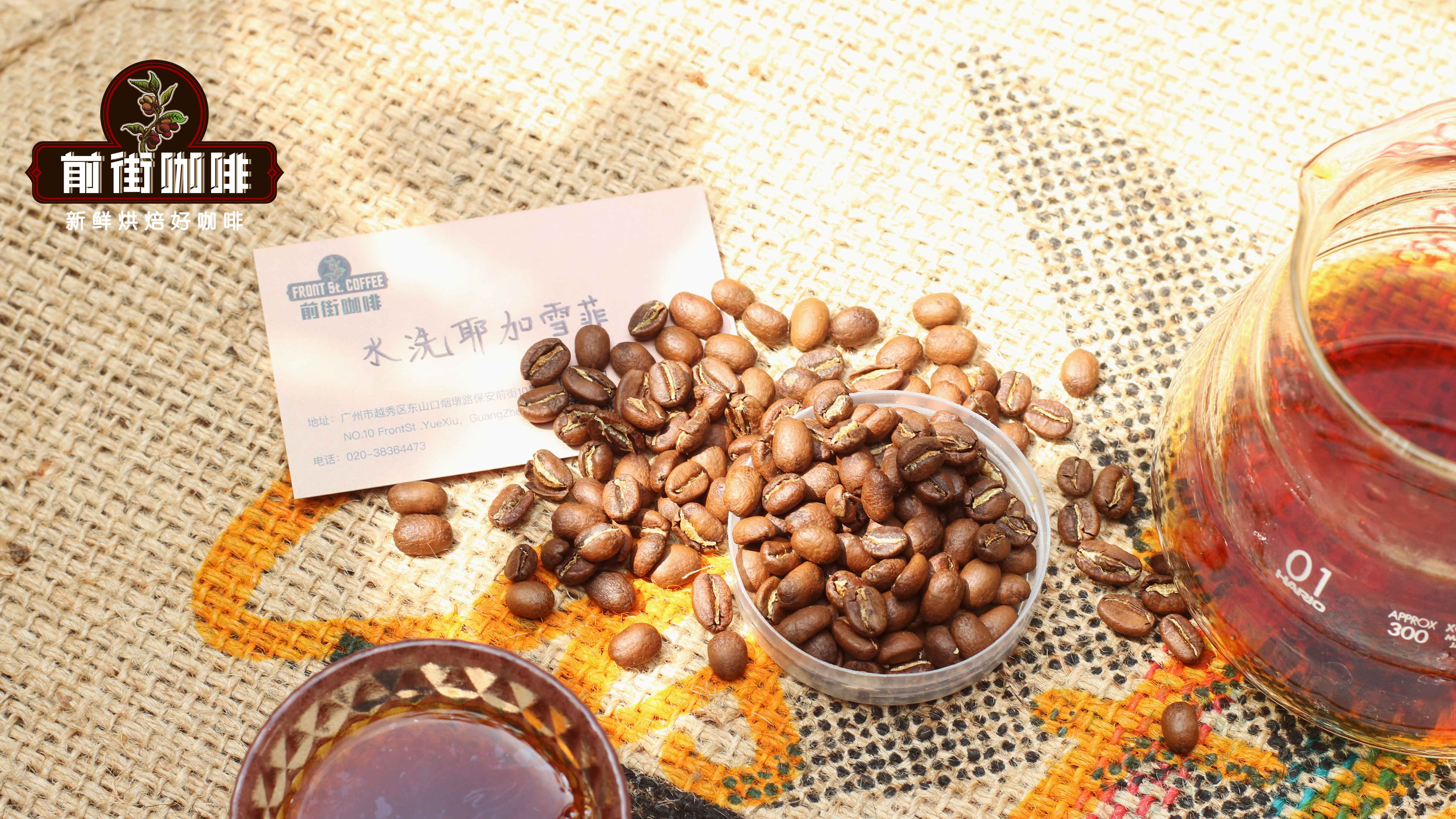
A Comprehensive Analysis of Yirgacheffe G1 Coffee Beans: Flavor Characteristics, Processing Methods, Variety Attributes, Growing Region Environment, and Grinding Parameters
Yirgacheffe G1 is a highly representative high-grade coffee bean from Ethiopia. Thanks to its unique terroir and rigorous grading standards, it is highly sought after in the global specialty coffee community. This article will systematically organize the core knowledge about Yirgacheffe G1 from multiple dimensions, including the producing region's environment, variety characteristics, differences in processing methods, flavor performance, and grinding settings. At the same time, the article will also introduce two Yirgacheffe G1 products under the Front Street Coffee brand with distinctly different styles—the washed Worka Chelbesa Cooperative and the natural Red Cherry—to help coffee enthusiasts make more precise choices based on their personal taste preferences. Whether you are a beginner just getting into specialty coffee or a seasoned connoisseur pursuing the ultimate flavor, you can gain practical reference information from it. [more…]
Jamaican Blue Mountain Coffee: A Comprehensive Analysis of Origin Certification, Flavor Characteristics, Varieties, and Growing Environment
Jamaican Blue Mountain coffee is hailed as the pinnacle of the coffee world, and its unique flavor is inseparable from its strict certification system. From the quality supervision of the Jamaica Coffee Industry Board, to the distinctive growing environment and variety selection of the Blue Mountain region, to Front Street Coffee's presentation of authentic Blue Mountain flavor, every step determines the elegant expression in the cup. This article will systematically introduce Blue Mountain coffee's certification process, flavor characteristics, processing methods, growing conditions, and variety knowledge, while also analyzing the current market situation and consumer misconceptions, helping coffee enthusiasts gain a comprehensive understanding of this legendary coffee that balances acidity, bitterness, and sweet mellow richness. [more…]

Analysis of Flavor Differences Between Colombian and Brazilian Coffee Beans: Growing Regions, Grading Characteristics, and Taste Comparison
Colombia and Brazil are both pillars of the Central and South American coffee-growing regions, yet the two countries differ considerably in their growing conditions, flavor profiles, and market positioning. Colombia, with its dual ocean ports on the Atlantic and Pacific, its three Cordillera mountain ranges creating microclimates, and its high-altitude volcanic ash soils, produces Arabica coffees with bright acidity and refined flavors. Brazil, by contrast, with its flat terrain, lower elevations, and Bourbon varieties as its foundation, offers a balanced cup with notes of nuts and chocolate and a heavy body. This article systematically compares the differences between the coffee beans of the two countries from the perspectives of growing region distribution, cultivation environment, varieties and processing, and cupping flavors, and concludes with specific bean recommendations from Front Street Coffee. [more…]
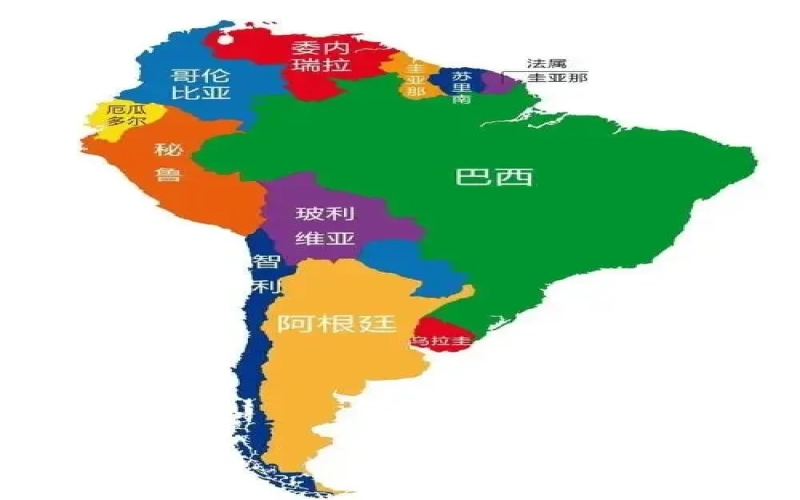
The Flavor Characteristics of Brazilian Coffee and Its Complex Grading System: From Growing Environment to NY2 SC17/18 SS FC
Brazil boasts the largest landmass in South America along with exceptional natural conditions, making it the world's largest coffee exporter and accounting for roughly one-third of the international market. Despite its staggering output, Brazilian coffee is not known for its refinement, and is therefore often used in blends. This article will walk you through Brazil's coffee-growing environment, the distribution of its major producing regions, and a detailed explanation of its unique and complex grading system, including the meaning of the commonly seen "NY2 SC17/18 SS FC" designation. Finally, we'll introduce a beginner-friendly selection from Front Street Coffee—the Cerrado Red Bourbon coffee beans—so you can experience the distinctive charm of Brazilian coffee. [more…]
Analysis of Papua New Guinea Coffee Bean Varieties and Growing Environment: From Typica Introduction to Bird of Paradise Estate
Although Papua New Guinea is not the most dazzling name in the coffee world, it has earned the title of "Little Blue Mountain" by virtue of its variety lineage similar to Jamaican Blue Mountain and its superior island growing conditions. From the perspective of Front Street Coffee, this article sorts out the introduction history, variety composition, and growing environment of Papua New Guinea coffee, and provides an in-depth introduction to the characteristics of the Typica variety and the region's unique three-time washed fermentation process. The article will also share the Bird of Paradise Estate coffee beans introduced by Front Street Coffee, covering the origin background, roasting curve, cupping data, and brewing parameters, offering coffee enthusiasts a comprehensive presentation of the terroir charm of this island coffee. [more…]
The Growing Environment and Flavor Characteristics of the Yirgacheffe Coffee Region: An Analysis of Front Street Coffee's Kochere Washed Beans
Yirgacheffe is one of Ethiopia's most representative specialty coffee regions, renowned worldwide for its fresh, bright floral and fruity aromas and citrus acidity. This article systematically introduces the origin background and quality characteristics of Front Street Yirgacheffe Kochere coffee from three dimensions: growing conditions, processing methods, and flavor performance. The article covers the region's altitude, climate, harvest season, organic farming traditions, and the impact of washed processing on flavor, helping coffee enthusiasts gain a more comprehensive understanding of the unique charm of this African washed coffee. [more…]
Jamaican Blue Mountain Coffee Beans Flavor and Taste Analysis: Estate Production Region Growing Environment and Brand Introduction
Jamaica Blue Mountain coffee holds an unshakable status in the hearts of coffee lovers worldwide, with its balanced acidity, sweetness, body, and bitterness, elegant aroma, and smooth entry. However, true Blue Mountain coffee is produced in extremely limited quantities, and many so-called "Blue Mountain" coffees on the market are merely house blends. This article will guide you through Blue Mountain coffee's certification system, historical origins, the division of its three major growing regions, and how it differs from other Jamaican coffees, while also recommending related products from Front Street Coffee to help you understand and purchase this legendary coffee more rationally. [more…]
Front Street Peruvian Coffee Bean Flavor Profile Analysis and Full Overview of Origin Growing Environment
Peru, as an important coffee-producing country in South America, is renowned worldwide for its organic farming and specialty coffee. Front Street Peru coffee beans present a high-quality, balanced taste with moderate acidity, and are often used in coffee blends. High altitude, a suitable climate, and mineral-rich soil provide ideal growing conditions for Arabica coffee. Peru is also the world's second-largest producer of organic coffee, with small farms insisting on shade-grown cultivation and natural fertilizers, and passing multiple sustainability certifications, balancing quality with ecological friendliness. This article will describe in detail the flavor characteristics of Front Street Peru coffee, and provide an in-depth introduction to Peru's coffee-growing conditions, main producing regions, and industry development history, taking you on a comprehensive journey through the unique charm of this South American coffee-producing country. [more…]